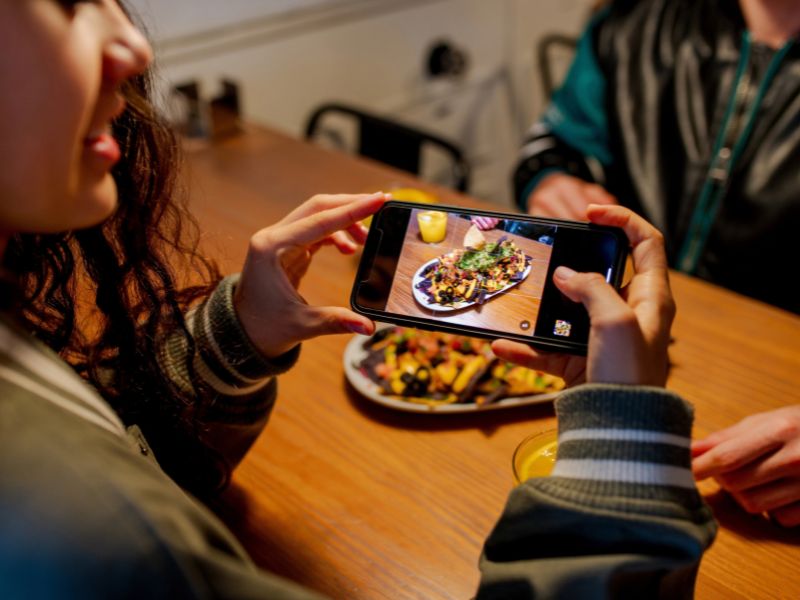
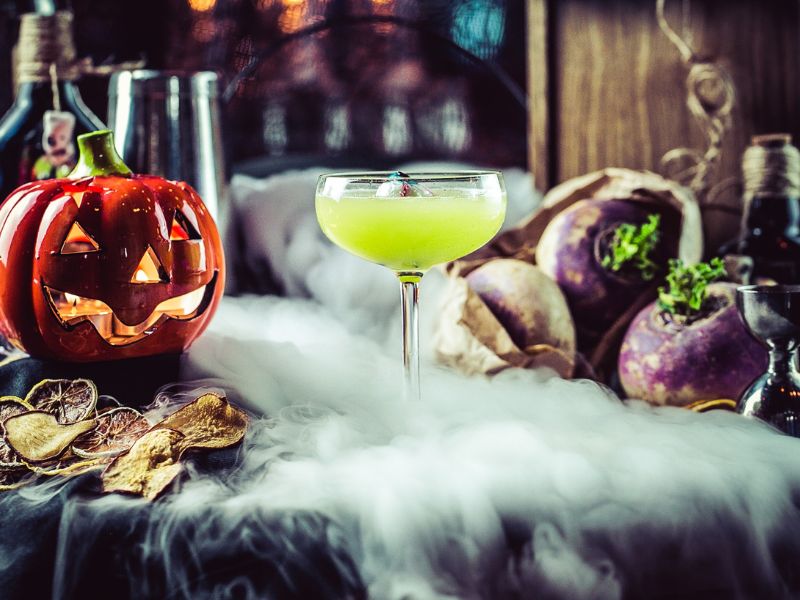
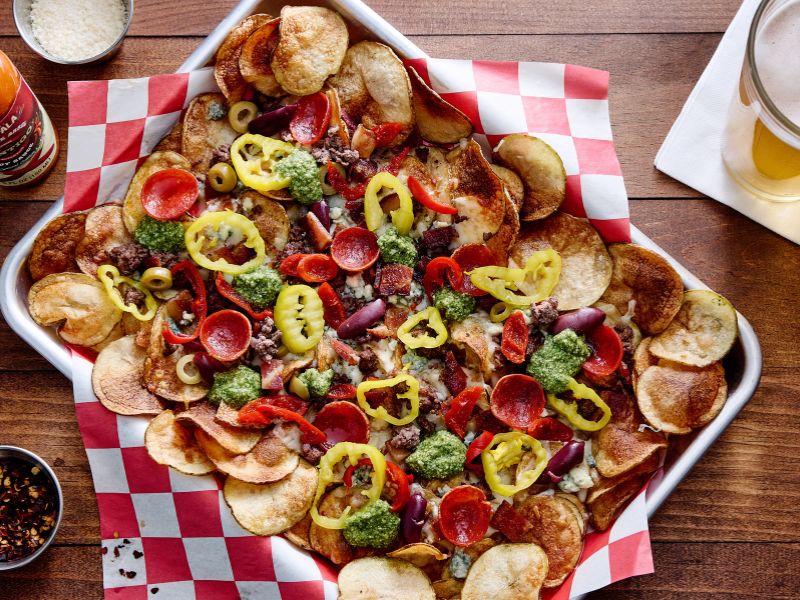

Consumers’ value perception is shifting. Menu language matters. “Slow-roasted,” “pan-seared” and “chef-inspired” don’t just describe a dish — they help tell guests what makes it worth the price.
A fundamental shift is reshaping how consumers perceive value in restaurants. Instead of simply equating value with low cost, today’s guests are looking at the overall experience and whether what they received felt worth what they spent.
- Nearly two-thirds of consumers say value means getting a good deal without sacrificing quality or experience.*
- 74% say a meal doesn’t have to be cheap to feel like a good value.
Today’s diners now view value as a composite of quality, service, speed, accuracy, atmosphere, and trust. As this experience-first mindset grows, operators who prioritize these touchpoints will help strengthen guest loyalty and protect margins.
Make the Craft Count
Guests are more willing to pay premium prices when they understand what makes a dish special. By highlighting quality and craft, operators can strengthen perceived value.
Consider menu cues that signal craftsmanship:
- Housemade components
- Premium or all-natural ingredients
- Authentic preparation methods
- Sensory and emotional descriptors
These small cues can build trust and help justify premium pricing without adding costs. A versatile item like chicken wings, for example, can take on an entirely new identity with an unexpected flavor pairing — from Thai Mango-Chili Wings to Pineapple Habanero Wings.
Little Touches, Bigger Value
Once guests understand the quality behind your menu, small but meaningful enhancements can amplify perceived value without adding significant cost or labor.
Low-cost customizations like house-blended seasonings, finishing oils, or signature sauces can add a premium, personalized touch to familiar entrées. Consider a build-your-own approach, like a Southwest Chicken Tender Pita Handheld, with flavorful toppings and sauces that let guests make the meal their own.
Sometimes, adding value is as simple as adding bacon. Thick-sliced, applewood-smoked bacon can transform an everyday favorite into a premium upsell — just look at this Pimento Bacon Burger for a little menu inspiration.
Deliver Beyond the Plate
As value becomes more experience-led, hospitality is a powerful differentiator. Operators prioritizing service are outperforming those leaning on discounts.* Even simple staff interactions like, “This dish is one of our team’s favorites — enjoy!” can make guests feel welcomed and boost perceived value.
Consumers overwhelmingly say that good service and pleasant experience increase perceived value. When your menu includes premium claims or elevated language, ensure your staff understands why those details matter. Informed employees can reinforce the story behind ingredients and preparation methods.
Make “Worth It” Repeatable
While premium touches and hospitality create memorable moments, consistency builds trust. When guests can count on the same quality every visit, it reinforces that the meal is worth the price. Support reliability in simple, high-impact ways like:
- Standardize plating and portioning across shifts.
- Tighten kitchen processes for repeatable results.
- Leverage value-added proteins to improve labor efficiency, speed, and consistency.
Reliability strengthens trust, loyalty, and the perceived value of every visit. By pairing consistent execution with premium touches and great hospitality, operators can prove their experience is worth the price — and win more of the consumer dollar.
* Datassential, The Value Equation Hotshot Report, Nov 2025
Content provided in partnership with Tyson® Foodservice.