

Across the country, fish fries take on very different forms. But during the Lenten season, they share a common purpose: bringing people together around affordable, comforting food.
Two Performance Foodservice chefs — Chef Katie Bulger in the Upper Midwest at Performance Foodservice – Milwaukee and Chef Ian Hughes in the Deep South at Performance Foodservice – Batesville in Mississippi — offer a look at how regional traditions shape the fish fry, and why it can be one of the most reliable seasonal menu drivers for restaurants.
Friday is Fish Fry Day
For Chef Katie Bulger, fish fries are more than a seasonal promotion — they’re a weekly ritual. Growing up in the Midwest, Friday nights meant fish fry nights, and that tradition continues today. In Wisconsin, restaurants proudly advertise which fish they’re serving — lake trout, perch, walleye, haddock, pollock or cod — and diners know exactly where they’re going and why.
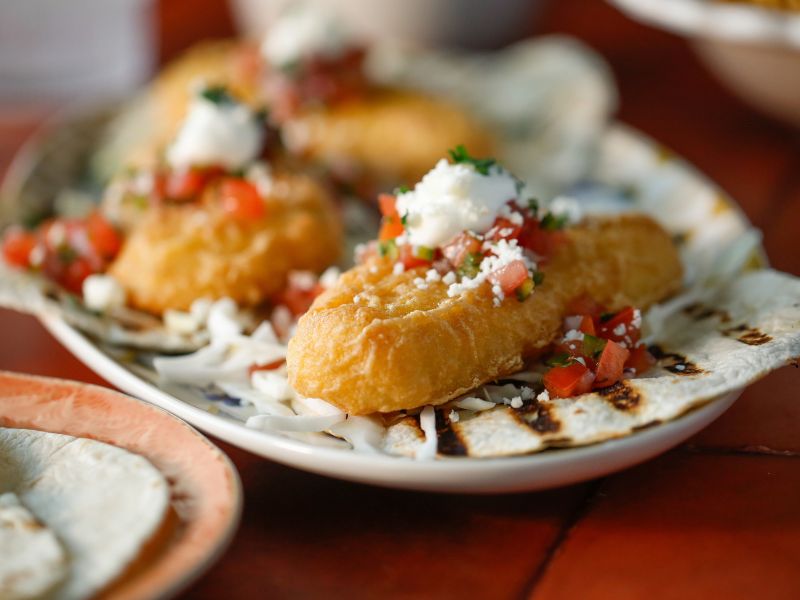
Fish fries here span every concept imaginable, from white-tablecloth dining rooms to walk-up counters, dive bars, Indian restaurants, even Mexican-inspired kitchens offering fish tacos. Despite the diversity, the core expectations stay the same: a good deal, quality fish, and satisfying sides. “Some guests are purists,” Chef Katie noted. “They want a traditional plate done right, at a price that feels like value.”
Execution matters. Chef Katie emphasized that quality frozen fish is often the best option, for example, Bay Winds® Icelandic Haddock or Bay Winds Icelandic Cod — as long as it’s properly thawed. Excess moisture is the enemy in the fryer, steaming the fish instead of delivering that golden crunch. She recommends Perfectly Southern® Fish Breaders to create a batter, calling it “batter magic in a bag” thanks to its strong binder quality and consistent results. Wet ingredients for batters vary from brown ale, to club soda, to malt vinegar depending on the flavor profile and texture the chef is looking to achieve, with a newer trend incorporating pickle juice for extra tang and acidity.
Sides are just as important: French fries, potato pancakes, hash browns, applesauce, and fruit salads with whipped topping are staples. For sauces, Chef Katie turns to Village Garden® Tartar Sauce, paired with a high-oleic frying oil like Brilliance®, which offers stability at high temperatures and a neutral flavor. “Don’t skimp on oil,” she said. “It will make or break your fish fry.”
Catfish is King
Travel south to Mississippi, and the fish fry tells a different story. Chef Ian Hughes calls the Mississippi Delta home, and here, fish fry means one thing: farm-raised catfish. The plate is non-negotiable —catfish, hushpuppies, coleslaw, and french fries, often joined by fried green tomatoes. Chef Ian relies on Empire’s Treasure® Catfish Fillets for its consistent flavor and texture for his fish fry operation.
“There’s no debate about fries,” Chef Ian explained. “Roma® Crinkle-Cut or Straight 3/8-inch — anything else just doesn’t belong.” Heat is welcome, too, with jalapeños mixed into hushpuppies and Louisiana-style hot sauce on the table. A unique regional twist is spaghetti as a side, a nod to the area’s Italian-American population.
Many restaurant concepts will run fish fry specials on Fridays, especially during Lent, drawing steady traffic regardless of religious denomination. While catfish is the star, Gulf influences appear with shrimp boils, redfish, and other regional seafoods. Like Chef Katie, Chef Ian relies on Brilliance Oil for consistent frying performance and recommends West Creek® Hot Sauce for its bold, vinegar-forward heat that satisfies Delta diners’ tastes.
One Truth, Two Traditions
While the Upper Midwest celebrates variety and customization and the Deep South stays fiercely loyal to tradition, both chefs agree on what makes a fish fry successful: consistency, value, and respect for the community ritual. During Lent, guests aren’t just buying fried fish — they’re showing up for familiarity, fellowship, and a meal they can count on.
For restaurants, the lesson is clear. You don’t necessarily need to borrow from another region’s fish fry to succeed. Lean into your local expectations, execute with intent, and use reliable products that deliver consistent results. Different waters, different fish — but the same tradition that keeps guests coming back every Friday.