

As both a frequent diner and fish nut, anything involving catching, cooking, or eating something with fins has my attention. I’m continually impressed by chefs’ ability to adapt to changing guest expectations, emerging trends, and sourcing challenges.
Growing up along the Southeastern seaboard, seeking out a great fish taco with the freshest local catch inspired the same kind of fervor as hunting down the best Southern BBQ. The catch, no pun intended, was that it was seasonal. The fish everyone wanted one month might not be readily available the next, and restaurants had to pivot.
The back-of-house staff who really understood seafood knew the answer wasn’t necessarily finding a substitute for one particular fish. It was understanding the versatility of different types and knowing how to make the most of them.
Rethink the Catch
That lesson feels especially relevant today. Cod and Haddock have long been menu workhorses thanks, in no small part, to our friends in the Northeast, who have turned them into some pretty memorable fish 'n' chip experiences. But tighter availability is creating an opportunity to look beyond the species that restaurants have traditionally relied on.
For example, wild Alaska Pollock is catching chefs’ attention. Its mild flavor and flaky texture make it an incredibly versatile option for everything from sandwiches and tacos to baskets, entrées, and appetizers. Hake, Southern Blue Whiting, and other species can provide even more flexibility.
My takeaway: Don’t build your seafood strategy around a single type of fish. Build it around the experience you want to put on the plate.
Fish at the Center of the Dish
Here’s a menu strategy with a hook: Give yourself room to adapt.
Instead of locking every menu application into “cod” or “haddock,” consider whether a particular species should be the star of the plate. A craveable crispy fish sandwich, beer-battered fish taco, or pub-style fish 'n' chips can put the emphasis where guests often want it — flavor, texture, and the overall experience. Flexible menu language can also make it easier to adjust your seafood mix as availability changes.
Build a Better Taco
That brings me back to those irresistible fish tacos. Start with crispy Empire’s Treasure Wild Alaska Pollock and build around it. For me, an authentic fish taco starts with the tortilla, and a warm Contigo® Flour Tortilla provides the perfect foundation.
Add freshness and crunch with Cilantro Lime Cabbage Slaw featuring Peak Fresh Produce® Limes, cilantro, red onions, and tomatoes, then finish with Delancey Street Deli® Gourmet Pickled Red Onions for a sweet-and-sour tang, crisp texture, and pop of color. Add a final squeeze of fresh lime and a little heat, and you’ve created something that accentuates the fish itself.
Put Convenience to Work
And this is where my foodservice side meets my seafood-loving side: A great menu idea still has to work in the kitchen.
Empire’s Treasure Wild Alaska Pollock solutions come pre-breaded and battered, helping reduce preparation steps while delivering consistency. Looking for even greater ease? High Liner’s new Fully Cooked Pollock lineup can simply be heated and served in minutes, offering dependable quality with minimal effort. These value-added seafood products can streamline back-of-house prep and make it easier to use seafood across menus, regardless of employee skill level.
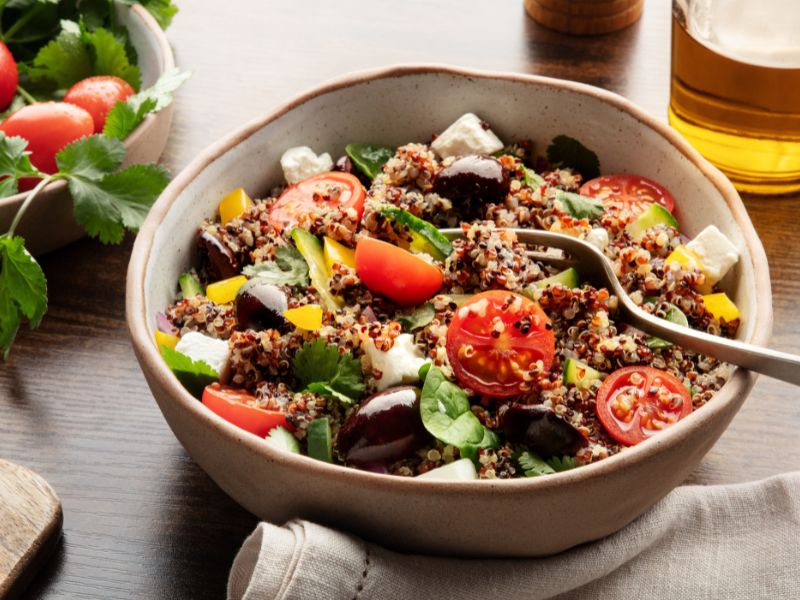
Seafood versatility doesn’t stop there. You can keep it classic with crowd-pleasing favorites like Beer-Battered Hake Fish Tacos or Fish ‘n’ Chips featuring Beer-Battered Southern Blue Whiting. Or explore bold regional and globally inspired flavors by transforming Fully Cooked Panko-Breaded Pollock Square into a fiery Nashville Hot Fish Sandwich, or give Citrus Herb Whiting a Mediterranean spin with couscous, grilled vegetables, feta, and fresh herbs. The more species you explore, the more menu possibilities grow with them.
Keep Casting
Maybe it’s the fisherman in me, but I’ve never been particularly interested in catching the same thing every time I go out. Some of the fun is discovering what else is out there.
There’s a lesson for menus in that, too. When a familiar fish becomes harder to source, the opportunity isn’t simply to find its closest replacement. It’s to explore what another type can do well and build something craveable around it.